
CAN WE BUILD A WORLD WITHOUT TRASH?
A Notes From Orbit Classroom Discussion Guide
Space Engineering • Environmental Science • Sustainability
Grades: 8–12 | Time: 15–20 minutes
THE CHALLENGE
Imagine living on the Moon for one year.
Every food wrapper, broken tool, and piece of packaging must be stored, reused, or recycled. Sending supplies from Earth is expensive, and space for waste is limited.
In August 2026, a team of MIT students won NASA's LunaRecycle Challenge, receiving $775,000 in total awards for developing recycling technology.
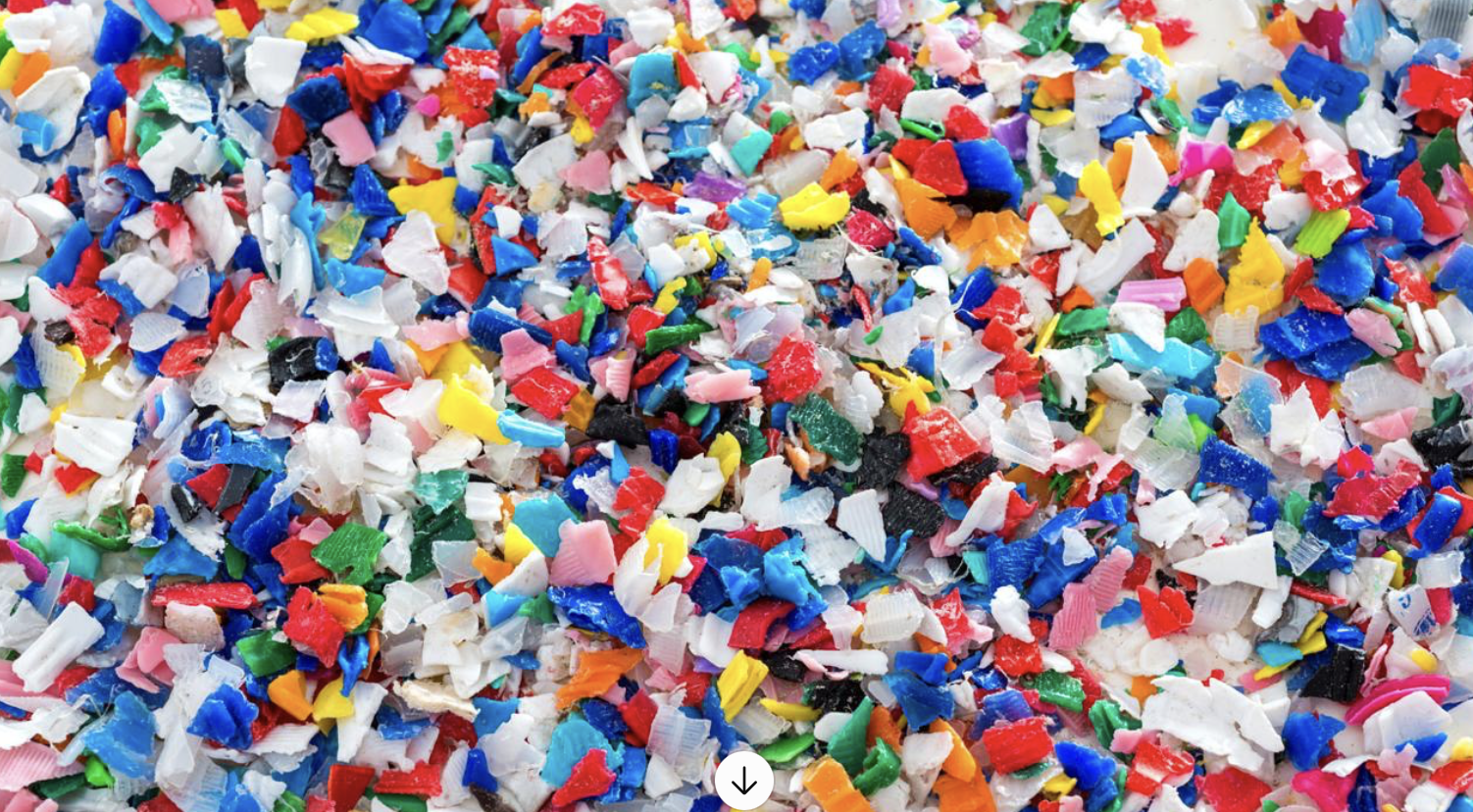
Their invention, CERBERUZ, grinds difficult-to-recycle materials into powder and turns that material into feedstock for manufacturing new objects.
But does turning trash into something new actually solve the waste problem?
PART 1 — THINK LIKE AN ENGINEER
1. The trade-off: Recycling takes energy, equipment, and time. When might it make more sense to recycle an object rather than bring a replacement from Earth?
2. The hidden problem: If recycled plastic is used to manufacture a replacement part for a spacecraft, how could engineers determine whether that part is strong and safe enough?
3. The bigger question: Should a future Moon base aim to recycle everything, or is it more realistic to design systems that produce less waste in the first place?
PART 2 — THE DESIGN CHALLENGE
You are part of NASA's lunar engineering team.
Your Moon base has accumulated three types of waste:
Plastic food packaging
Protective shipping foam
Broken plastic storage containers
Your assignment: Propose one useful object that could be made from these materials.
Consider:
What would you make, and why do astronauts need it?
How would you manufacture it?
What properties would the finished object need?
How would you test whether it is safe and reliable?
Sketch your idea and explain it in two or three sentences.
PART 3 — BRING IT BACK TO EARTH
Millions of products contain combinations of materials that are difficult to recycle.
MIT's technology explores whether mixed waste can become useful manufacturing material without extensive sorting.
Discuss: Should engineers prioritize making plastics easier to recycle, or reducing our dependence on plastics in the first place?
Defend your answer using at least one environmental, economic, or engineering consideration.
KEEP EXPLORING
NASA: LunaRecycle Challenge and the 2026 winners
https://www.nasa.gov/prizes-challenges-and-crowdsourcing/centennial-challenges/lunarecycle/
MIT: How CERBERUZ transforms waste into manufacturing material
https://aeroastro.mit.edu/news-impact/mit-student-team-cerberuz-wins-nasa-lunarecycle-centennial-challenge-turning-lunar-trash-into-treasure/
NOTES FROM ORBIT
Exploring space, asking bigger questions, and connecting discoveries to life on Earth.